
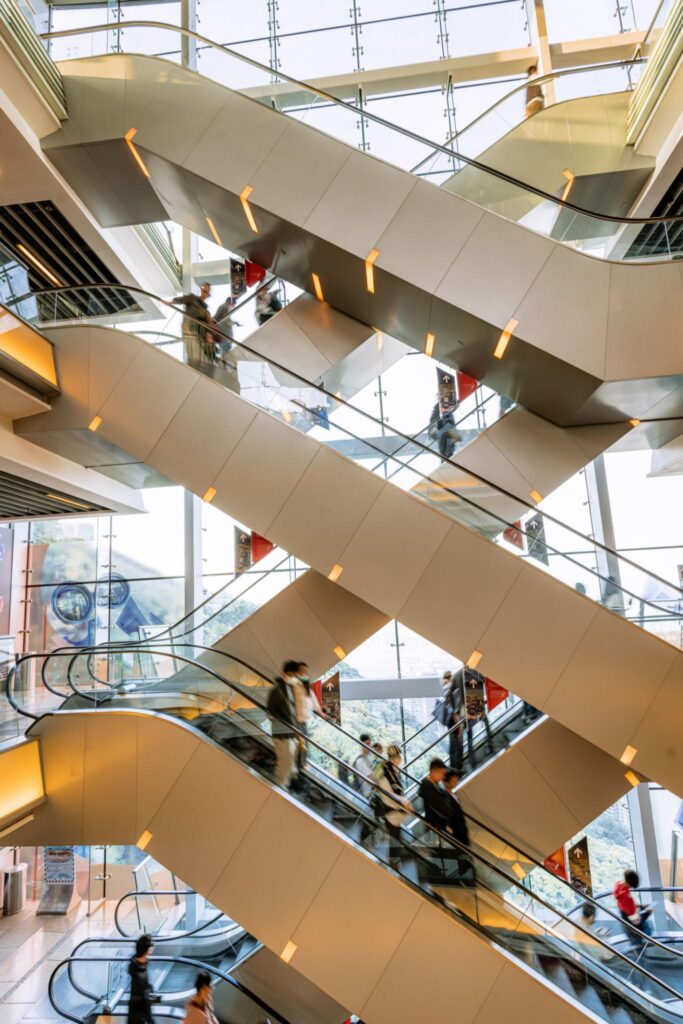
Modern buildings rely heavily on efficient vertical transportation. Choosing the right lift and escalator system is essential for ensuring smooth movement, safety, and overall user experience within your property.
Whether it’s a commercial tower, residential building, hospital, or shopping mall, the right system enhances functionality while adding value to the property.
Understanding Lift and Escalator Systems
A lift and escalator system is designed to transport people efficiently within buildings. While lifts (elevators) provide vertical movement, escalators ensure continuous flow between floors in high-traffic areas.
Both systems are critical in modern infrastructure and must be selected based on usage, building design, and capacity requirements.
Types of Lift Systems
1. Passenger Lifts
Ideal for residential and commercial buildings, offering smooth and comfortable travel.
2. Freight Lifts
Designed to carry heavy loads in warehouses, factories, and industrial facilities.
3. Hospital Lifts
Specially designed to accommodate stretchers and medical equipment with precision and safety.
4. Panoramic Lifts
Glass elevators that enhance aesthetics, commonly used in malls, hotels, and high-end buildings.
Types of Escalator Systems
1. Commercial Escalators
Used in malls, airports, and metro stations with high passenger traffic.
2. Heavy-Duty Escalators
Designed for continuous operation in demanding environments like transit hubs.
3. Moving Walkways
Ideal for airports and large facilities where horizontal movement is required.
Key Factors to Consider When Choosing
1. Building Type & Usage
Residential, commercial, or industrial buildings require different lift and escalator configurations.
2. Traffic Flow
High-traffic areas need high-capacity and fast-moving systems to avoid congestion.
3. Safety Features
Ensure systems include emergency brakes, sensors, overload protection, and compliance with international standards.
4. Energy Efficiency
Modern systems are designed to reduce power consumption and operational costs.
5. Space & Design
Select systems that fit your building layout without compromising aesthetics.
6. Maintenance & Support
Regular maintenance is essential for safety and long-term performance.
Benefits of Choosing the Right System
- Smooth and efficient movement within buildings
- Enhanced user safety and comfort
- Reduced waiting time and congestion
- Improved building value and aesthetics
- Long-term cost savings through energy efficiency
Why Choose Royal Fuji Star
When it comes to lift and escalator solutions, Royal Fuji Star offers advanced systems designed for performance, safety, and durability.
They provide:
- Customized lift and escalator solutions
- Installation, modernization, and maintenance services
- Compliance with international safety standards
- Expertise across residential, commercial, and industrial projects
Explore more: https://royalfujistar.com/
FAQs – Lift and Escalator Systems
1. How do I choose between a lift and an escalator?
Lifts are ideal for controlled vertical movement, while escalators are best for continuous high-traffic flow.
2. What is the lifespan of lift and escalator systems?
With proper maintenance, they can last 15–25 years or more.
3. Are modern systems energy-efficient?
Yes, newer systems use advanced technology to reduce energy consumption.
4. How often should maintenance be done?
Regular maintenance is recommended monthly or quarterly depending on usage.
5. Can existing systems be upgraded?
Yes, modernization services can improve performance, safety, and efficiency.
Conclusion
Selecting the right lift and escalator system is crucial for ensuring efficiency, safety, and comfort in any building. With the right partner, you can implement solutions that meet your current needs while supporting future growth.
Looking for reliable lift and escalator solutions?
Partner with Royal Fuji Star for advanced, safe, and efficient vertical transportation systems tailored to your building.
Visit now: https://royalfujistar.com/