
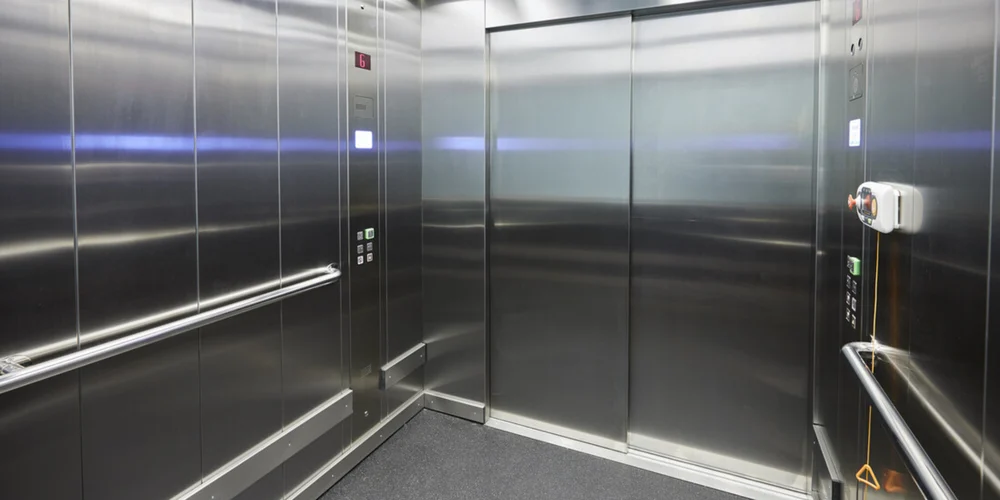
Dubai’s rapid skyline and dense high rise clusters demand reliable elevator safety. Independent accredited inspections verify that lifts meet local rules and international standards. This article explains how third party elevators inspections protect people, insurers and buildings.
TL;DR / Key Takeaways
- Independent, accredited third‑party inspections provide objective safety verification for UAE elevators and escalators, supporting compliance and insurance.
- UAE regulations require biannual inspections by accredited bodies to understand EIAC/ENAS roles and BS EN 81‑20.
- Third‑party inspections complement, not replace, ongoing maintenance by elevator suppliers and maintenance companies in Dubai.
- The inspection workflow is transparent: pre‑checks on site tests, formal reporting, and corrective actions before re‑inspection.
- Royal Fuji positions as a trusted elevator supplier in Dubai that collaborates with independent inspectors to maintain safety, compliance and uptime.
Safety and Compliance in UAE Vertical Transportation
Dubai’s vertical growth means reliable elevators are a safety and business imperative. Third‑party elevators inspections provide an objective check against in house maintenance and ongoing service.
In this article, building owners, facility managers and compliance officers will discover how to choose the right partner for independent safety verification that keeps occupants safe and operations compliant.
What is a Third Party Elevator Inspection in the UAE?
Summary: An independent, accredited body audits lifts and escalators to confirm regulatory and international safety standard compliance.
Definition box: Independence, accreditation, and compliance verification are the hallmarks of third‑party inspections.
Inspectors assess high‑level components, including safety systems, documentation, and certificate issuance. In the UAE, only accredited bodies can issue safety certificates, ensuring credibility for insurers and authorities.
Regulatory Landscape in Dubai & the UAE (as of December 2025)
Summary: The regime centers on biannual inspections, clear accreditation, and standard references. This keeps Dubai’s lifts aligned with both local and international expectations.
Key players include EIAC (Emirates International Accreditation Centre) and ENAS (Emirates National Accreditation System), with Dubai Municipality typically guiding local enforcement. Common standards cited are BS EN 81‑20/81‑50, ASME, the EU Lifts Directive, and the Machinery Directive, along with local requirements. Inspectors often cite BS EN 81‑20 as a baseline in Dubai, with certificates aligning to law and insurer expectations. For updated rules, consult Dubai Municipality and the UAE government guidance.
Third-Party Inspection vs Maintenance & In‑House Checks
Key distinctions:
- Role: Maintenance teams handle ongoing service; third‑party inspectors verify compliance.
- Independence: Auditors reduce potential bias from routine servicing.
- Output: Maintenance reports vs accredited safety certificates.
Balance comes from coordinating with a trusted partner like Royal Fuji to align maintenance with independent certification. Some buildings combine services to improve efficiency and reduce risk.
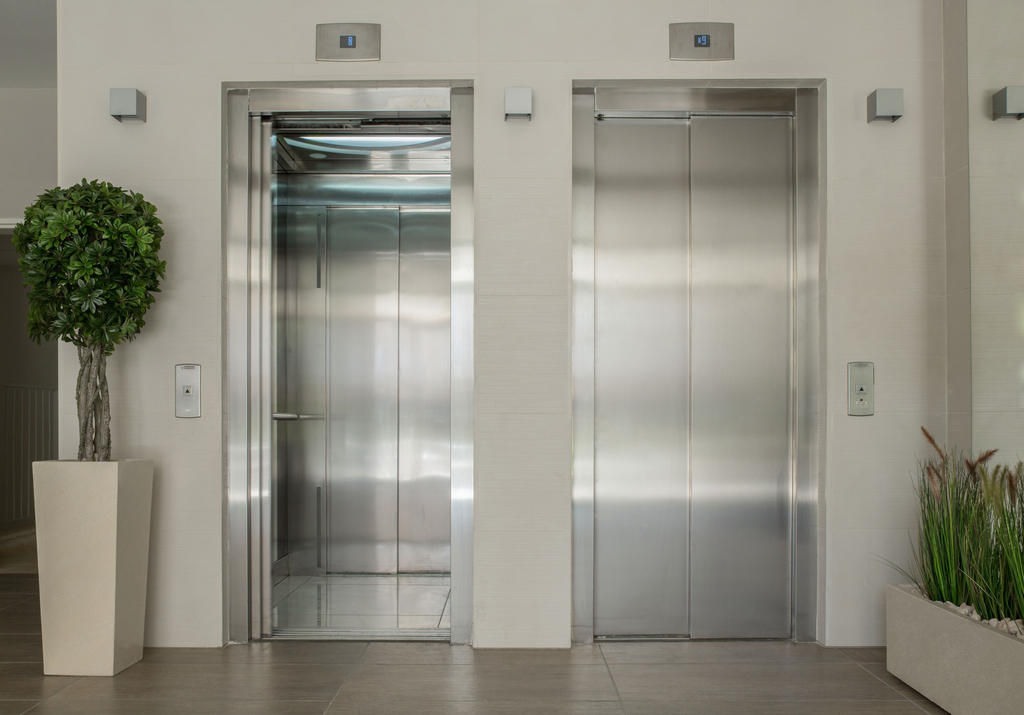
Why Third-Party Inspection Companies Are Essential
- Legal compliance helps avoid penalties and operational shutdowns.
- Enhanced safety reduces downtime and risk to passengers.
- Clear, auditable documentation supports insurance and regulatory reviews.
- Early defect detection beyond routine maintenance lowers future costs.
- Independent checks support modernization plans and safe handovers after upgrades.
What Do Inspectors Check? (Elevators & Escalators)
Summary: Inspections cover mechanical, electrical, safety features, and performance, with context for Dubai’s vertical environments.
- Mechanical: brakes, ropes or cables, guide rails, doors and operators.
- Electrical: control panels, wiring integrity, backup power.
- Safety features: emergency stops, alarms, door locks, overload protection.
- Performance: speed, leveling accuracy, ride quality, load testing.
Inspection Workflow in Dubai Step by Step
- Select an accredited inspection body (EIAC/ENAS alignment).
- Pre‑inspection review of documents (plans, history, modernization records).
- On‑site inspection and testing (mechanical, electrical, safety, performance).
- Issuance of inspection report with non‑conformities and risk ratings.
- Rectification actions by the maintenance team or suppliers guided by recommendations.
- Re‑inspection and final safety certificate if criteria are met.
How Third‑Party Inspections Support Elevator Modernization
Summary: Independent verification frames modernization with risk assessments and post‑upgrade validation.
- Pre‑modernization risk assessments identify critical safety gaps.
- Post‑modernization verification ensures new equipment meets UAE/ISO standards.
- Coordinate with a modernization partner like Royal Fuji for compliant upgrades.
- Independent checks reduce post‑upgrade liability and insurance questions.
Special Use Cases: Hospitals, High‑Rises, Industrial Elevators & Manlifts
- High‑rise towers demand reliability in dense occupancy.
- Hospitals and hotels require robust redundancy and cleanroom considerations.
- Industrial lifts and MEWPs focus on heavier loads and stricter safety controls.
- Legacy lifts are upgraded when modernization triggers arise.
Working With Royal Fuji and Independent Inspectors
Royal Fuji serves as the project designer, installer, and documentation bundle prepared for third‑party inspection. The firm collaborates with independent inspectors to streamline certification and minimize downtime. Practical steps to engage include an initial assessment, document readiness, coordinated scheduling, and post‑inspection action plans. A single‑point contact simplifies procurement and compliance support.
Real Life Use Cases / Use Case Ideas
- High rise Dubai Marina tower: annual/biannual cycles with ongoing maintenance.
- Hospital modernization: post‑installation third‑party verification before handover.
- Industrial warehouse: audits between maintenance checks for risk and insurance alignment.
FAQ
Is third‑party elevator inspection mandatory in Dubai?
Yes, regular accredited inspections are required to stay compliant and insured.
How often must inspections occur in the UAE?
Biannually for lifts and escalators.
What certificates does a third‑party inspector issue?
Certified safety certificates and inspection reports with non‑conformities and risk ratings.
Can a maintenance company also act as the inspector?
Not as the accredited, independent inspector required for certificates.
How does inspection influence modernization projects?
It guides scope, safety upgrades and post upgrade validation.
How should a building select a third party inspection partner?
Prioritize accreditation, independence and a clear certificate process.